CT Commercial Pest Control
CT Commercial Pest Control
Richland Pest & Bee Control
+18602967100
41 Custer St, West Hartford, CT 06110, United States
Supporting Sources
target url CT Commercial Pest Control
folder top CT Commercial Pest Control
rss feed CT Commercial Pest Control
photo CT Commercial Pest Control
photo CT Commercial Pest Control
spreadsheet CT Commercial Pest Control
form CT Commercial Pest Control
drawing CT Commercial Pest Control
document CT Commercial Pest Control
presentation CT Commercial Pest Control
video CT Commercial Pest Control
CT Commercial Pest Control
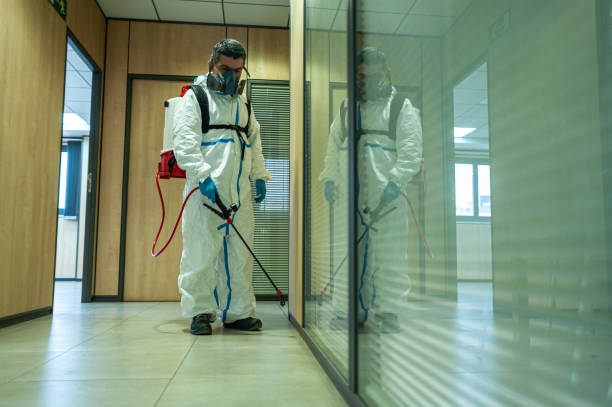
Commercial pest control in Connecticut (CT) involves managing and eliminating pests that negatively affect businesses in various sectors, including hospitality, retail, education, healthcare, and food services. Efficient pest management is crucial as it helps maintain health standards and safeguards the property and reputation of businesses. Connecticut's diverse climate and seasonal changes contribute to a variety of pest-related challenges, which can range from rodents and insects to wildlife intrusions.
Key Takeaways
- Importance and benefits of regular pest control services in CT businesses
- Common pests in Connecticut and tailored control strategies
- Legal and health implications of pest infestations in commercial settings
- Latest trends and technologies in the pest control industry for effective management
Importance of Regular Pest Control
Regular pest control is essential for commercial entities in Connecticut to prevent infestations before they start. Scheduled inspections and treatments ensure that pests do not jeopardize business operations or health standards. Regular pest management not only addresses visible infestations but also identifies vulnerabilities in the property thus preventing future pest problems.
Common Pests and Control Strategies
Connecticut businesses may face issues from a variety of pests like rodents, cockroaches, ants, and termites. Each pest type requires a specific strategy; for example, baiting and traps are commonly used for rodents, while insecticide treatments might be more effective for insects like ants and cockroaches. Tailored strategies, considering business type and building layout, enhance effectiveness.
Legal and Health Implications
Failing to control pests can result in severe legal and health consequences. Commercial enterprises must adhere to local health regulations—which include maintaining a pest-free environment. Neglect can lead to legal actions, fines, or business closure. Moreover, pest presence can lead to diseases and allergens affecting both employees and customers.
Trends and Technologies in Pest Control
Advancements in pest control technologies and methods have dramatically increased the efficacy of commercial pest management in Connecticut. Integrated pest management (IPM), eco-friendly solutions, and digital monitoring systems are part of the latest trends, offering businesses more reliable and less intrusive pest control options.
Frequently Asked Questions
What are the most effective methods for pest control in CT?
Effective pest control methods in Connecticut include a combination of mechanical traps, baiting systems, chemical treatments, and preventive measures like sealing entry points and maintaining cleanliness. The method chosen often depends on the specific type of pest and the severity of the infestation.
How often should a commercial property be inspected for pests?
It's recommended that commercial properties in Connecticut undergo pest inspections at least biannually. However, businesses dealing with food or healthcare may require more frequent checks, potentially quarterly, to comply with stricter regulations and ensure environments remain hygienic and safe.
Are there eco-friendly pest control options available in Connecticut?
Yes, many pest control services in Connecticut now offer eco-friendly options. These methods include the use of non-toxic products, organic treatments, and biological controls (like introducing natural predators). These alternatives are effective and minimize environmental impact.
What should be done if a pest infestation is discovered in a commercial setting?
If an infestation is discovered, it is crucial to contact a professional pest control service immediately to assess and address the issue. Delaying action can lead to the spread of pests and increased damage or health risks. Professional exterminators can also provide documentation and follow-up actions for regulatory compliance.
Can businesses handle pest control internally, or is professional service necessary?
While minor pest issues can sometimes be managed internally, professional pest control services are recommended for handling larger infestations or for regular maintenance. Professionals have access to more effective tools, resources, and knowledge about local regulations, providing a more thorough and compliant solution.
Conclusion
Effective pest management is crucial for ensuring the safety, legality, and reputation of any commercial enterprise in Connecticut. Engaging with professional pest control services that utilize the latest trends and technologies will help businesses address not only existing pest problems but also implement preventive measures to safeguard against future infestations. Remaining proactive about pest control not only complies with health standards but also contributes positively to the customer and employee experiences.
CT Commercial Pest Control
Richland Pest & Bee Control
+18602967100
41 Custer St, West Hartford, CT 06110, United States



Comments
Post a Comment