CT Commercial Pest Control
CT Commercial Pest Control
Richland Pest & Bee Control
+18602967100
41 Custer St, West Hartford, CT 06110, United States
Supporting Sources
target url CT Commercial Pest Control
folder top CT Commercial Pest Control
rss feed CT Commercial Pest Control
photo CT Commercial Pest Control
photo CT Commercial Pest Control
spreadsheet CT Commercial Pest Control
form CT Commercial Pest Control
drawing CT Commercial Pest Control
document CT Commercial Pest Control
presentation CT Commercial Pest Control
video CT Commercial Pest Control
CT Commercial Pest Control
In Connecticut, commercial pest control is a crucial service for businesses looking to maintain sanitary conditions and protect their property from the damage pests can cause. This industry offers solutions tailored to the needs of various sectors including hospitality, retail, healthcare, and food service industries. Effective pest management not only addresses infestations but also implements preventive measures to ensure businesses remain pest-free, compliant with health regulations, and safe for both customers and employees.
Key Takeaways
- Importance of pest control in various industries
- Common pests encountered in Connecticut businesses
- Prevention strategies and solutions
- Legal and health implications of pest infestations
Importance of Pest Control in Various Industries
Different industries in Connecticut face unique challenges when it comes to pest control. For example, restaurants and food processing facilities must adhere to strict health regulations to avoid contamination, while hospitality businesses like hotels need to prevent bed bugs and other pests to maintain their reputation and guest satisfaction. A professional pest control service can provide specialized plans that suit the specific requirements and compliance standards of each industry.
Common Pests in Connecticut Businesses
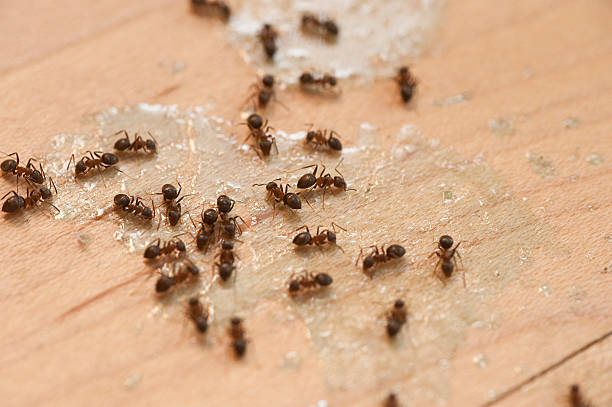
Connecticut businesses commonly deal with a variety of pests, including rodents, cockroaches, ants, and termites. Each of these pests can cause significant damage to physical assets and can also pose health risks. Rodents, for example, are known carriers of diseases and can contaminate food supplies, while termites can compromise the structural integrity of buildings.
Prevention Strategies and Solutions
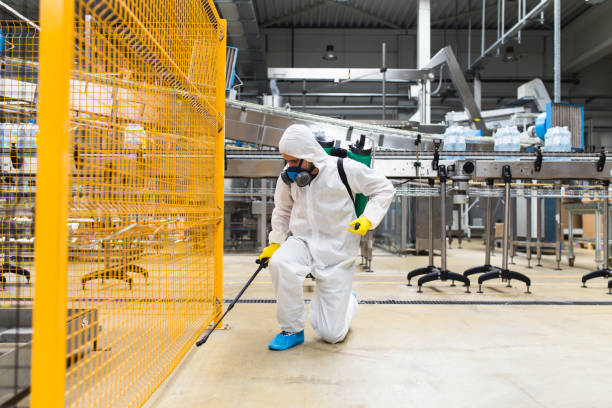
Preventative measures are a vital aspect of commercial pest control. These may include sealing entry points, maintaining proper sanitation, and using barriers and baits strategically. Regular inspections and treatments by qualified pest control professionals can preemptively address potential infestations and minimize the risk of large-scale pest problems.
Legal and Health Implications of Pest Infestations
Neglecting pest control can lead to significant legal and health consequences for businesses. Infestations can result in violations of health codes, legal fines, and even temporary closure of the business. Moreover, the presence of pests can adversely affect the health of employees and customers, potentially leading to illnesses and damaging the business's reputation.
Frequently Asked Questions
What are the first signs of pest infestation I should look for in my business?
Common signs include visible pest sightings, droppings, damaged goods, and unusual smells. Regular monitoring in key areas such as kitchens, storerooms, and basements can help in early detection.
How often should I have my business inspected for pests?
It is advisable to schedule professional inspections at least once a quarter. However, businesses in high-risk industries or areas might require more frequent inspections.
What should I do if I notice pests in my business?
Immediately contact a professional pest control service to assess the situation and implement control measures. Quick action can prevent the infestation from spreading.
Are there eco-friendly pest control options available for businesses?
Yes, many pest control services offer eco-friendly options that use less toxic methods and products, which are safer for both humans and the environment.
How can I prepare my business for a pest control treatment?
Ensure that areas are accessible by removing obstructions, clean thoroughly to remove food sources that attract pests, and inform your employees about the treatment schedule and any necessary precautions.
Conclusion
For businesses in Connecticut, commercial pest control is not just a necessity but a critical aspect of operational management. By understanding the importance of timely pest control measures, recognizing signs of infestation, and regularly collaborating with pest management professionals, businesses can protect their premises, people, and their professional reputation effectively.
CT Commercial Pest Control
Richland Pest & Bee Control
+18602967100
41 Custer St, West Hartford, CT 06110, United States


Comments
Post a Comment